Recent News
 How to Cooperate Efficiently with Formal Peptide Factories for Peptide Procurement?
 Which Scientific Beauty Peptides Can Professional Peptide Factories Mass-Produce?
 What Quality Control Testing Processes Do High-Quality Peptide Factories Adopt?
 How Important Is a Class 10,000 Cleanroom for Peptide Factory Production?
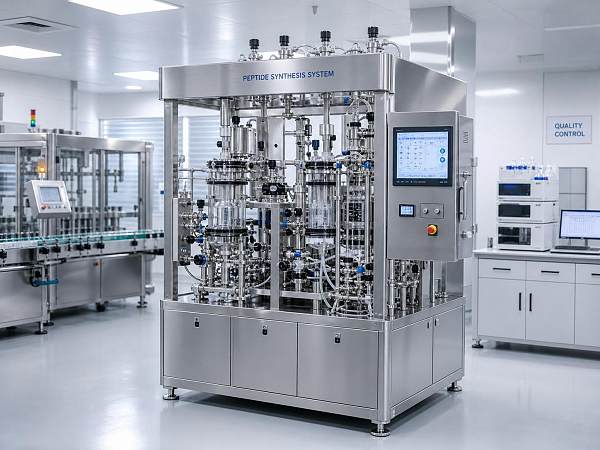
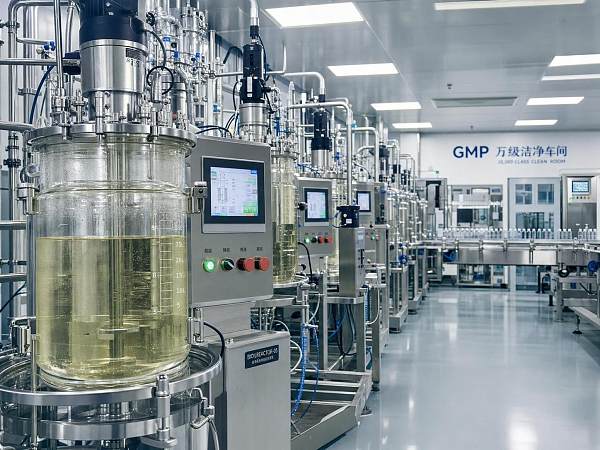
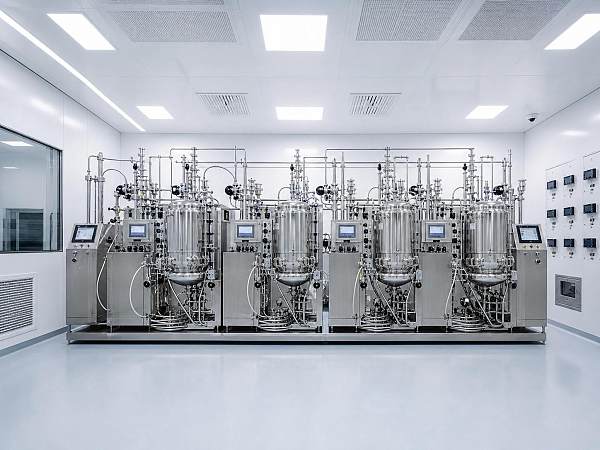
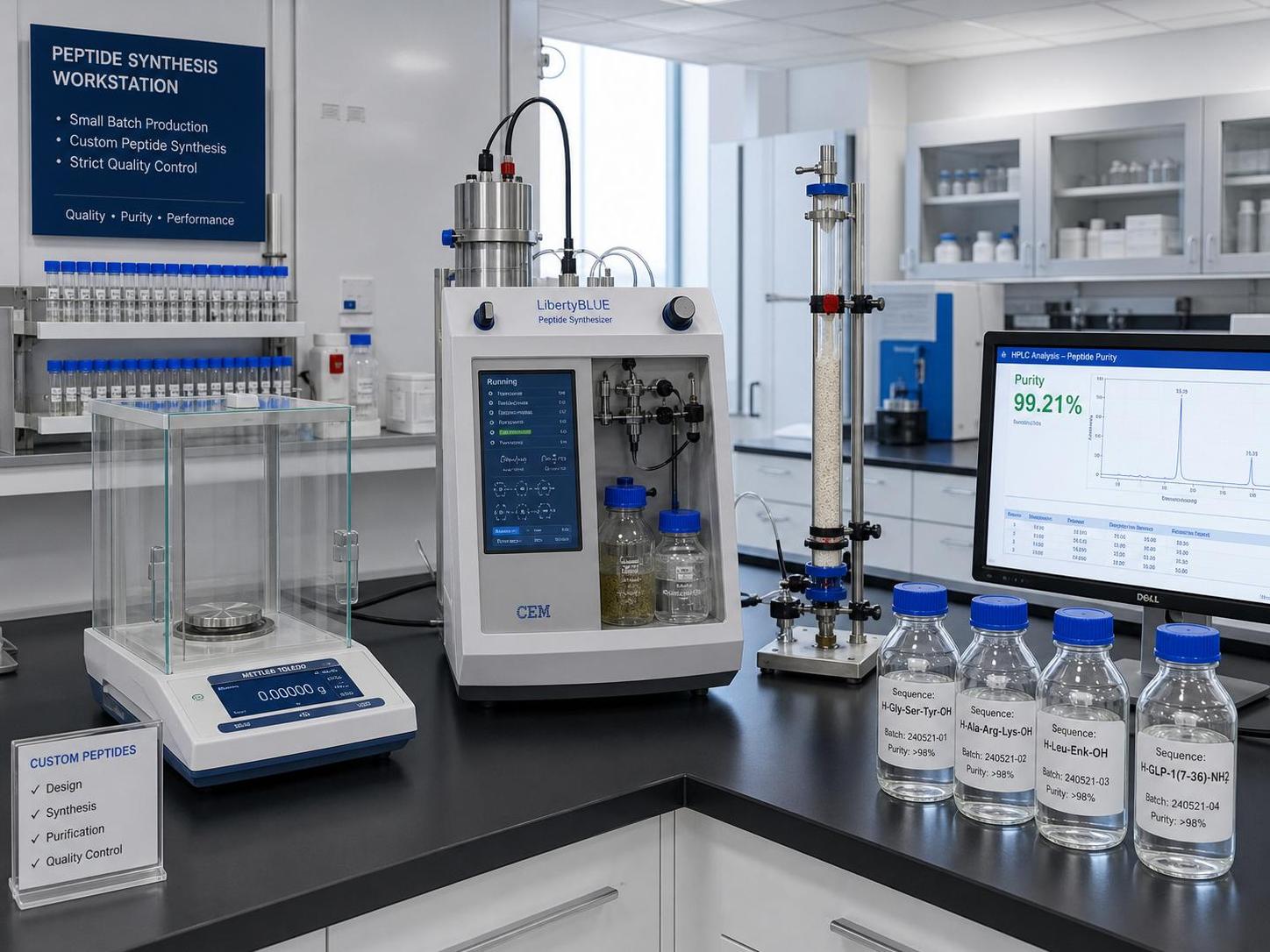
In the field of biomedical and life science research, peptide customization is an important need for many research teams and enterprises. Unlike large pharmaceutical companies that often require hundreds of kilograms, many research institutions and startups frequently need only milligram to gram-scale small-batch customization. So, can small and medium-sized peptide factories handle such orders? The answer is yes, and small and medium factories often offer unique flexibility advantages for small-batch customization.
Flexible production capacity allocation is one of the core competitive advantages of small and medium-sized peptide factories. Unlike large factories, they don't have to bear high fixed costs of mass production lines, allowing them to more agilely adjust production processes and respond quickly to customers' different sequence lengths and modification needs (such as fluorescent labeling, phosphorylation, methylation, etc.). From laboratory trial production at 2-5 grams to 50-200 grams pilot-scale amplification, small and medium factories can typically cover these ranges to meet the experimental needs of different research stages.
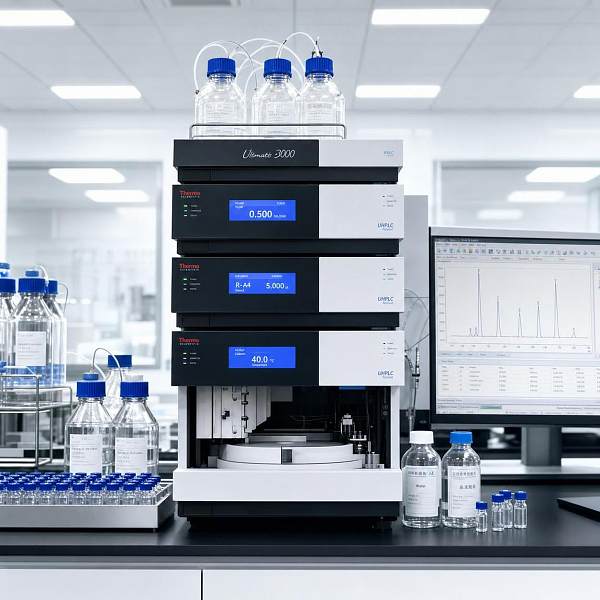
In terms of service capabilities, professional small and medium peptide factories usually provide one-on-one technical communication to help customers optimize sequence design and control costs. Particularly for difficult sequences (such as those rich in hydrophobic amino acids or long-chain peptides), technical teams at small and medium factories can often collaborate deeply with customers to explore the best synthesis strategies. In addition, such factories can also provide quality inspection reports (HPLC/MS), GMP-level environmental control, and stability data support, ensuring that even small batches maintain high standards of quality traceability.
Therefore, for customers needing small-batch peptide customization, choosing a small or medium-sized peptide factory with appropriate technical capabilities and compliance qualifications not only offers flexible throughput and short delivery cycles, but also provides more targeted technical service and cost advantages. When evaluating potential partners, it is recommended to focus on their synthesis platform technology, quality control system, past project experience, and customer reputation to ensure that the products meet actual research or development needs.
Leave A Message