Recent News
 How to Cooperate Efficiently with Formal Peptide Factories for Peptide Procurement?
 Which Scientific Beauty Peptides Can Professional Peptide Factories Mass-Produce?
 What Quality Control Testing Processes Do High-Quality Peptide Factories Adopt?
 How Important Is a Class 10,000 Cleanroom for Peptide Factory Production?
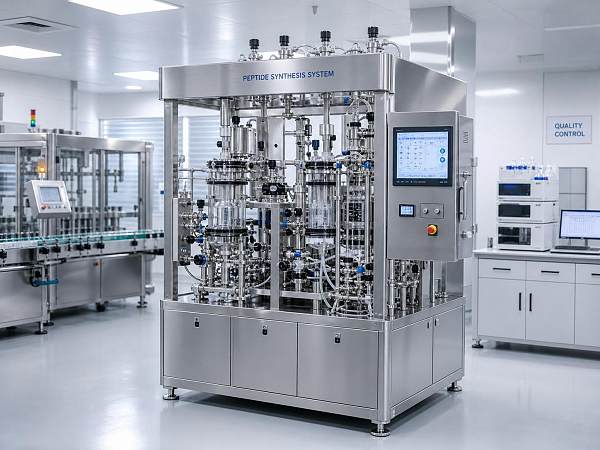
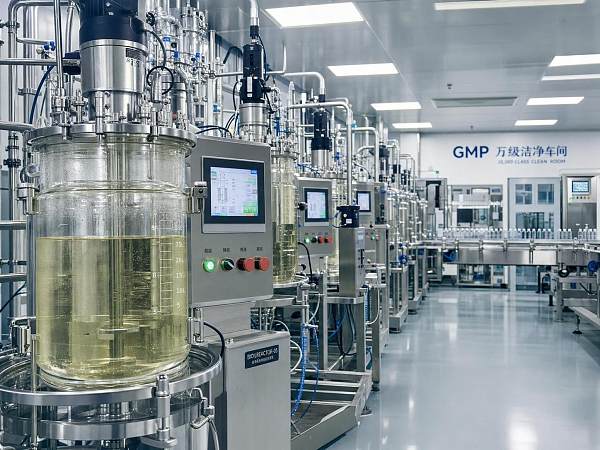
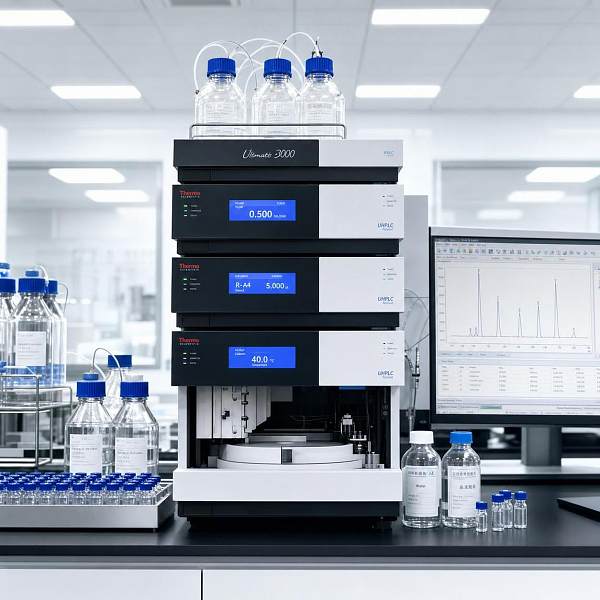
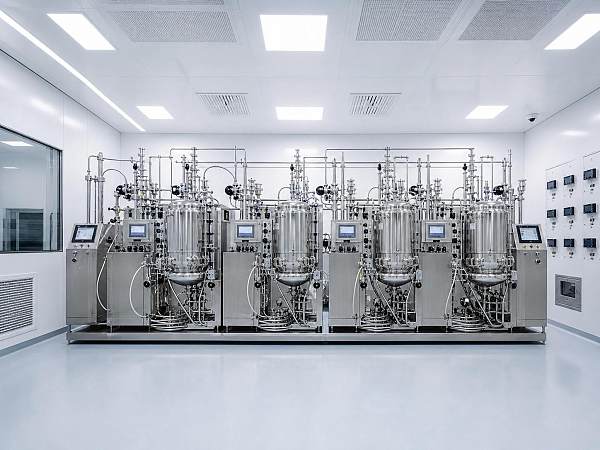
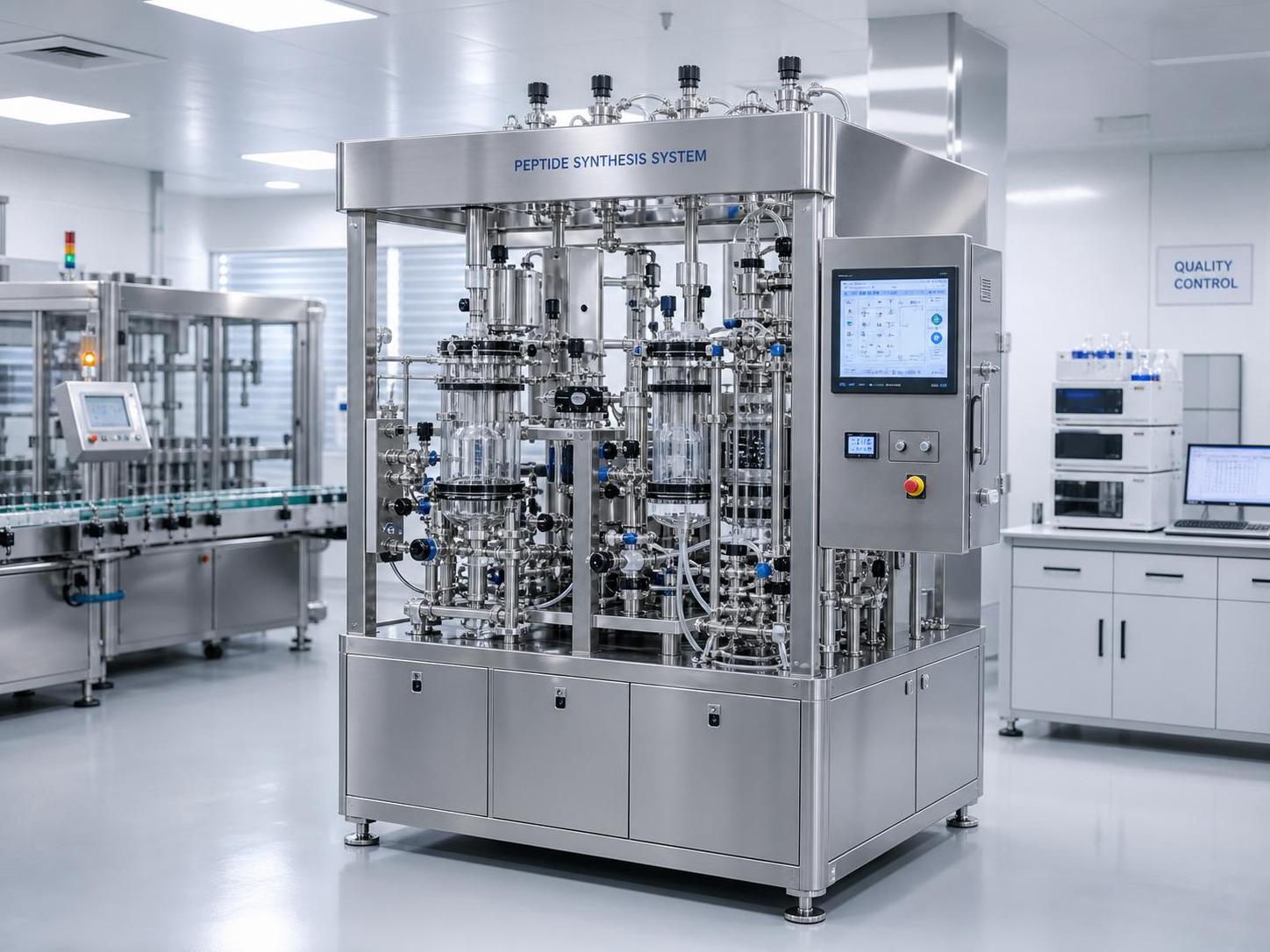
Peptide raw material procurement is a key link in the product research and development and mass production of cosmetics, biotech and health care enterprises. Many purchasers often face problems such as unstable product quality, delayed delivery, inconsistent batch indicators and lack of technical support when cooperating with intermediate traders. Efficient and long-term cooperation with formal and professional source peptide factories can effectively solve these pain points, stabilize the supply chain, reduce comprehensive procurement costs, and improve product market competitiveness.
Efficient cooperation starts with accurate demand docking and qualification verification. Before cooperation, purchasers need to clarify detailed procurement requirements, including peptide types, purity standards, molecular weight parameters, packaging specifications, monthly demand and specific application scenarios such as skin care formula development or biological research. Meanwhile, it is essential to verify the factory’s formal qualifications, standardized clean production environment, complete quality control system and independent R&D and production capacity. Requesting official batch test reports and compliance certificates can fully avoid quality risks and compliance problems caused by unqualified manufacturers.
A standardized sample testing and batch ordering process is the key to stable cooperation. Purchasers can apply for free samples for laboratory testing and formula adaptation to confirm that the peptide’s activity, solubility and stability meet product research and development standards before large-scale procurement. For bulk orders, both parties need to confirm production scheduling, production cycle, logistics delivery plan and after-sales rules in advance. Formal peptide factories support transparent production progress tracking, full-batch traceability and standardized after-sales services, which greatly reduces order uncertainty.
Leave A Message